The Hamburger Bahnhof opened as Berlin's museum of contemporary art on 3 November 1996, and it marks thirty years this weekend with a free 30-hour opening on 14–15 November. Federal culture minister Wolfram Weimer called it one of Germany's most relevant museums for art of our time. The Hamburger Bahnhof's history is less smooth than the birthday suggests: twice in the past twenty years the museum came close to losing the buildings and the art that made its name.
From railway terminus to Cold War limbo
The station opened in 1847 as the Berlin end of the line to Hamburg. Trains stopped running here in 1884, when the nearby Lehrter Bahnhof took over, and in 1906 the building became a museum of transport and construction. Bombs damaged it in 1944. After the war it ended up in a strange position: inside West Berlin, but owned by the East German Reichsbahn, which kept it closed for almost four decades.
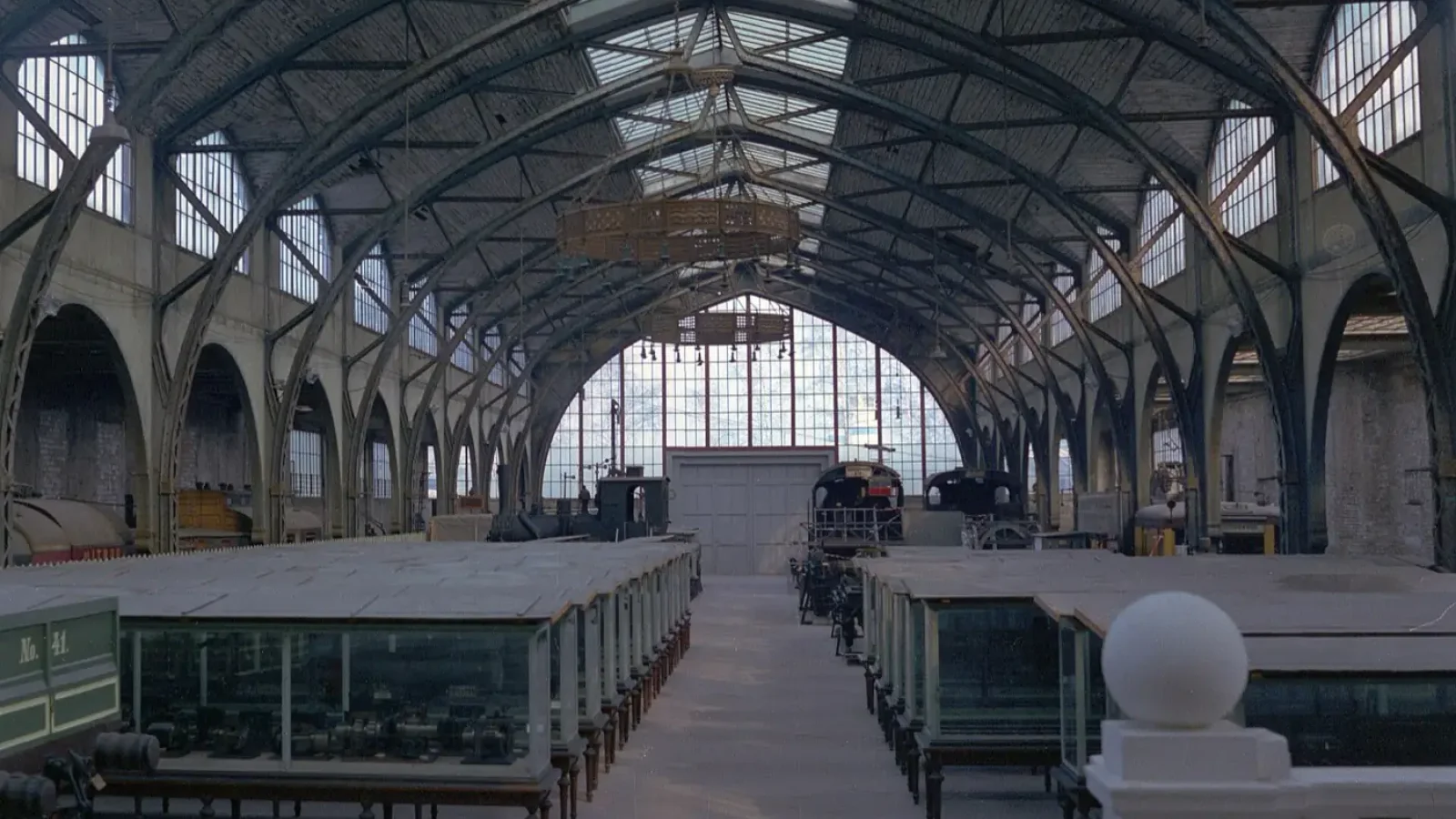
Only in 1984 did the West Berlin Senate take over the lease, and the building opened to visitors again that April (pictured: the hall on 8 April 1984, still full of locomotives). Three years later it housed a large exhibition for Berlin's 750th anniversary. Between 1990 and 1996 architect Josef Paul Kleihues turned it into an art museum, keeping the iron-roofed hall where the platforms had been. The founding loan came from the collector Erich Marx, whose works by Joseph Beuys, Andy Warhol, Robert Rauschenberg and Anselm Kiefer are still part of the museum's identity. Dan Flavin's blue and green fluorescent lights have lit the façade since that first year.
The Flick collection and the Rieckhallen fight
In 2004 the long freight sheds behind the station, the Rieckhallen, were converted to show the collection of Friedrich Christian Flick, some 2,500 works lent to the Nationalgalerie. The loan was controversial from the start, because the Flick family fortune was tied to Nazi-era forced labour. It ended for a different reason. In 2007 the federal government had sold the land to the property company CA Immo, and by 2020 the owner planned to tear down the halls for new development. That spring the state museums announced that Flick would take his works back by September 2021.
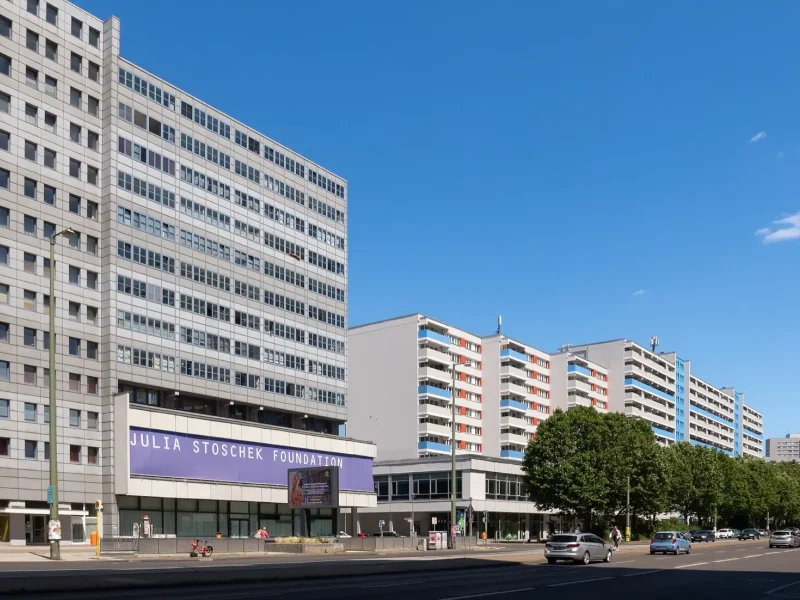
Berlin's art scene read it as part of a pattern: the same months brought warnings from other private collectors, and the Julia Stoschek Foundation has since closed its Berlin space. The rescue came in November 2022. The federal property agency bought the main building for €66 million, and the state of Berlin acquired the Rieckhallen for about €100 million plus a land swap. Sam Bardaouil and Till Fellrath took over as directors the same year.
What it means for visitors
The anniversary year shows what the rescue was for. Eight exhibitions opened in 2026. Next Door, in the Rieckhallen until 27 June 2027, brings back Tacita Dean, Thomas Demand, Olafur Eliasson, Henrik Håkansson and Tomás Saraceno, artists whose early careers ran through these halls. Sophie Calle. Is It Better? opened on 13 November and runs until 4 April 2027. The Ryuichi Sakamoto retrospective continues until 20 June 2027.
The 30-hour weekend is the cheapest way in: free from Saturday 11am to Sunday evening, with tours through the night. In Berliner Zeitung, Ingeborg Ruthe headlined her piece on Next Door, which returns to the halls around the year 2000, with a warning against nostalgia.
Good to know
- Regular tickets: €16, concessions €8, under-18s free. Annual pass holders can bring a guest for free until 30 April 2027.
- Hours: until 30 November Tuesday, Wednesday and Friday 10am–6pm, Thursday until 8pm, weekends 11am–6pm. From 1 December 2026 Tuesday to Sunday 10am–6pm.
- Plan: two to three hours if you include the Rieckhallen.
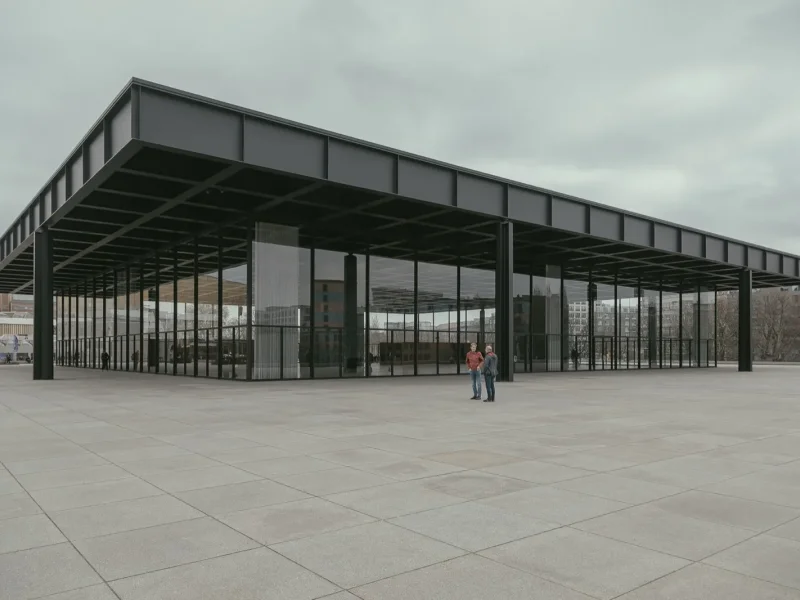
- More history: the Neue Nationalgalerie, the Nationalgalerie's other big house, opened in 1968.
Sources
- Staatliche Museen zu Berlin: 30 Years of Hamburger Bahnhof
- Federal Government Commissioner for Culture: 30 Jahre Hamburger Bahnhof (10 November 2026)
- Berliner Zeitung: Bloß keine Nostalgie! (1 November 2026)
- Monopol: Hamburger Bahnhof feiert Geburtstag (12 November 2026)
- The Art Newspaper: Berlin museums announce end of the Flick loan (2020)
- Wikipedia (German): Berlin Hamburger Bahnhof